

In today’s digital-first world, businesses of all sizes are shifting from traditional advertising to online channels. With billions of people using the internet daily, having a strong online presence is no longer optional—it’s essential. To build that presence, you need to understand the different types of digital marketing and how each one works.
Whether you’re a small business owner, a startup founder, or a marketing professional, knowing the right strategies can help you attract, engage, and convert your target audience. In this article, we’ll explore the most effective types of digital marketing, their benefits, and how you can use them to grow your business.
What is digital marketing?
Digital marketing refers to the use of online platforms and digital technologies to promote products, services, or brands to a targeted audience. Unlike traditional marketing, which uses TV, radio,and prin digital marketing leverages channels like search engines, social media, email, and websites to reach consumers.
Now, let’s dive into the types of digital marketing you should know about.

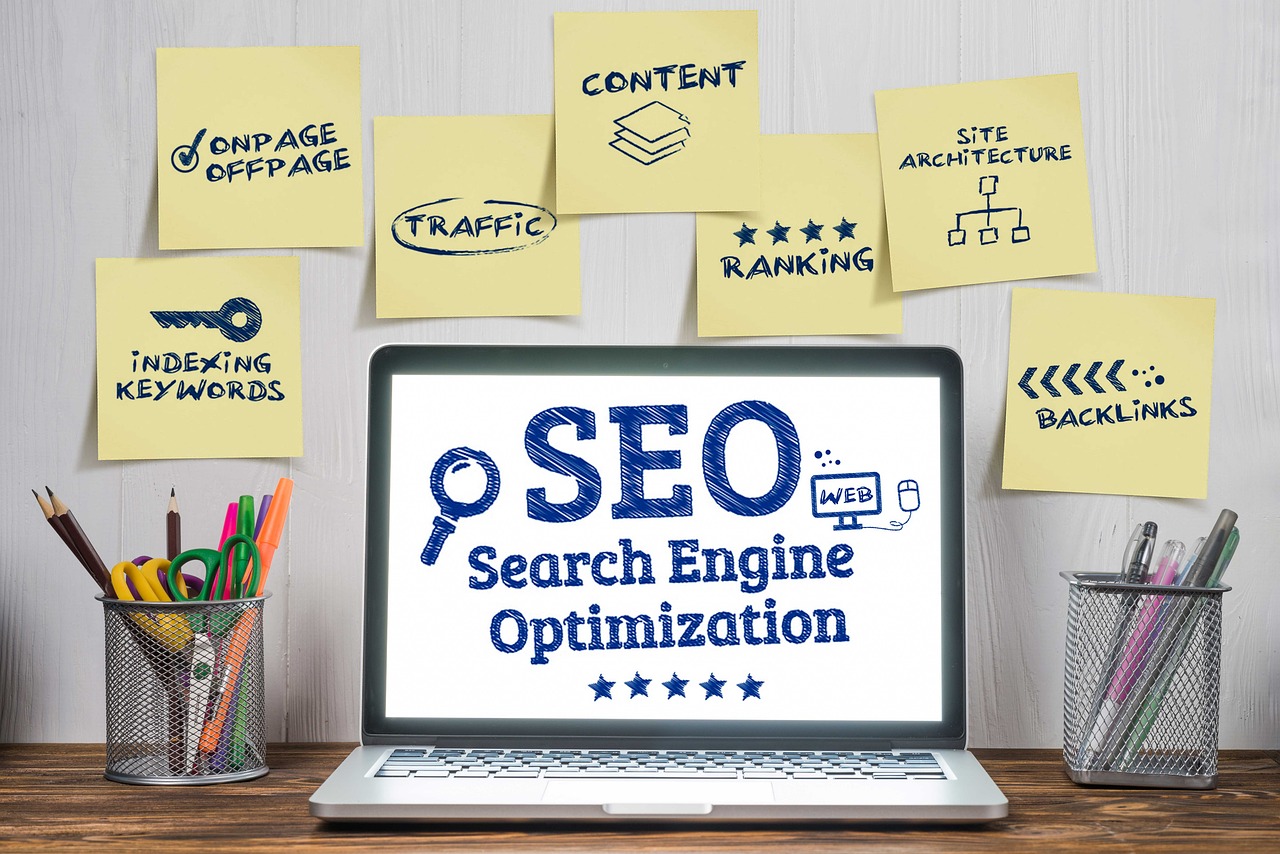
1. Search Engine Optimization (SEO)
SEO is the process of optimizing your website so that it ranks higher on search engines like Google. When people search for products or services you offer, SEO ensures your site appears at the top of the results.
Benefits of SEO:
Increases organic (free) traffic
Builds long-term credibility
Provides a high return on investment (ROI)
Key SEO elements:
keyword optimization, high-quality content, mobile-friendly design, backlinks, and fast website speed.
SEO is often considered the foundation of all other types of digital marketing because it ensures your audience can find you online.
2. Content Marketing
Content marketing is all about creating valuable, relevant, and consistent content to attract and engage the target audience.
Key elements of content marketing:
Blogs, articles, and guides
Infographics and eBooks
Videos and podcasts
Case studies and testimonials
Importance of content marketing:
Educates customers and builds authority
Boosts SEO rankings
Strengthens customer trust and loyalty
3. Social Media Marketing
Social media platforms like Facebook, Instagram, LinkedIn, and TikTok are powerful tools for connecting with audiences.
Key elements of social media marketing:
Organic posts (photos, videos, stories)
Paid ads (sponsored posts, carousel ads)
Influencer collaborations
Community management (engaging with followers)
Importance of social media marketing:
Improves brand visibility
Builds customer engagement
Provides direct communication with target audiences
4. Pay-Per-Click Advertising (PPC)
PPC is a paid advertising model where businesses pay when users click on their ads. Google Ads and social media ads are popular platforms.
Key elements of PPC:
Keyword targeting
Compelling ad copy
Landing page optimization
A/B testing for better results
Importance of PPC:
Delivers instant traffic
Provides measurable ROI
Targets specific audience segments
5. Email Marketing
Email marketing remains one of the most effective types of digital marketing for nurturing leads and maintaining customer relationships.
Key elements of email marketing:
Personalized email campaigns
Newsletters and promotional offers
Automated workflows
Clear CTAs (calls to action)
Importance of email marketing:
Builds long-term customer relationships
Drives repeat purchases
Offers high ROI compared to other channels
6. Affiliate Marketing
Affiliate marketing allows businesses to partner with affiliates who promote their products in exchange for a commission.
Key elements of affiliate marketing:
Affiliate partnerships
Unique tracking links
Performance-based payment models
Content-driven promotions (blogs, reviews, social media)
Importance of affiliate marketing:
Expands brand reach with low upfront cost
Leverages influencers and bloggers
Boosts sales through trusted recommendations
7. Influencer Marketing
This involves partnering with influencers who already have a loyal following to promote products or services.
Key elements of influencer marketing:
Choosing the right influencer for your brand
Sponsored posts or collaborations
Authentic and relatable content
Performance tracking through engagement metrics
Importance of influencer marketing:
Builds brand credibility quickly
Taps into niche markets
Enhances trust through word-of-mouth
8. Mobile Marketing
With more people using smartphones, mobile marketing has become essential.
Key elements of mobile marketing:
SMS and push notifications
In-app advertising
Mobile-friendly websites
Location-based targeting
Importance of mobile marketing:
Reaches customers anytime, anywhere
Increases engagement through personalized offers
Improves customer convenience

Which Types of Digital Marketing Should You Choose?
Not every business needs all these strategies at once. The right approach depends on your goals, budget, and audience. However, a combination of SEO, social media, content marketing and email marketing works best for most businesses. For the free consultation, book an appointment with us: Kabbby Sprinkles
Final Thoughts
Understanding the different types of digital marketing is essential for creating a strong online presence. SEO helps you attract long-term organic traffic, while PPC provides instant results. Content and social media marketing build trust and engagement, while email and affiliate marketing focus on relationships and sales. By combining these strategies, businesses can achieve growth, brand recognition, and customer loyalty.
In the fast-paced digital age, experimenting with multiple types of digital marketing ensures you stay ahead of competitors and connect with your audience in meaningful ways.
Hi, this is a comment.
To get started with moderating, editing, and deleting comments, please visit the Comments screen in the dashboard.
Commenter avatars come from Gravatar.